
Introduction: Nature's Fury Unleashed in Kamchatka
In a dramatic turn of events, a powerful snowstorm has swept across the Kamchatka Peninsula in Russia's Far East, causing significant chaos and tragedy. With winds reaching up to 30 m/s and snow burying homes and roads, this natural disaster has prompted local authorities to declare a state of emergency. For foreigners, especially those living or traveling in similar climates, this serves as a stark reminder of the unpredictability of weather patterns and the importance of preparedness.
Impact on Foreigners: Why This Matters Beyond Russia
For foreigners, whether you're an expat in Cyprus, a traveler to cold regions, or simply concerned about global events, this snowstorm underscores several key points. First, it highlights the vulnerability of remote areas to extreme weather, which can affect travel plans and safety. If you're planning a trip to Russia or similar destinations, stay updated on weather advisories and local news. Second, the supply shortages and infrastructure failures mirror challenges seen in other parts of the world during crises, emphasizing the need for emergency kits and contingency plans. Lastly, as climate change increases the frequency of such events, this incident reminds us all to advocate for sustainable practices and community resilience.
Key Details: What Happened and How Authorities Are Responding
The snowstorm has had devastating effects, with critical details emerging from official reports and local media.
Casualties and Emergency Declaration
Two people lost their lives after being crushed by snow falling from building roofs, as confirmed by Sergey Lebedev of Russia's Emergency Ministry. In response, the mayor of Petropavlovsk-Kamchatsky declared a state of emergency to mobilize resources and protect residents.
Infrastructure and Daily Life Disruptions
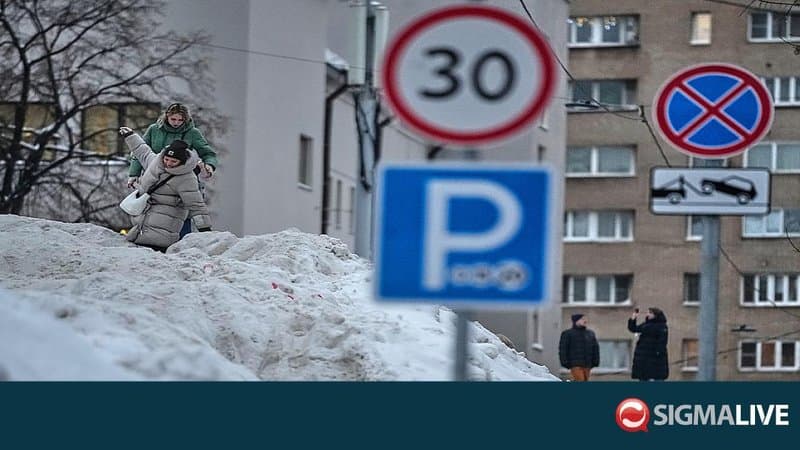
- Snow Accumulation: Snow has reached up to the second floor of buildings in some areas, with images showing vast snowdrifts.
- Road Closures: Approximately 150 kilometers of roads are buried under up to 80 centimeters of snow, leading to blocked access and hindered supply chains.
- School and Business Closures: Schools remained closed throughout the week, and many businesses have switched to remote work to ensure safety.
Supply Shortages and Recovery Efforts
Local supermarkets are experiencing shortages of essential items like bread, eggs, and milk. Officials attribute this to the inability to restock stores due to blocked roads. Yulia Marozova, a regional government spokesperson, assured that market supplies will gradually be restored as roads reopen. Additionally, the Russian Defense Ministry has deployed soldiers to assist in snow-clearing operations, highlighting the scale of the crisis. For real-time updates, you can follow alerts on platforms like Twitter, where a recent post highlighted the cyclone's impact.
Conclusion: Lessons for a Global Audience
This snowstorm in Kamchatka is more than just a regional incident; it's a cautionary tale for foreigners worldwide. By staying informed, preparing for emergencies, and supporting disaster response efforts, we can all contribute to safer communities. As extreme weather becomes more common, let this event inspire proactive measures and global solidarity. For further reading on related topics, check out our articles on travel safety tips or climate change impacts.