
Overview of Higher Education in Cyprus
The higher education system in the Republic of Cyprus is governed by the Ministry of Education, Sport and Youth. The system is designed to align with the European Higher Education Area (Bologna Process), ensuring that credits earned (ECTS) are transferable across Europe. For foreign nationals, the options are categorized into public universities, private universities, and private colleges of higher education.
Academic years typically run from September to June, divided into two semesters. Instruction is primarily in Greek at public undergraduate levels, while English is the standard for most private institutions and postgraduate programs in public universities.
Public Universities
There are three main public universities in Cyprus. These institutions are highly competitive and often require specific entrance examinations for undergraduate programs.
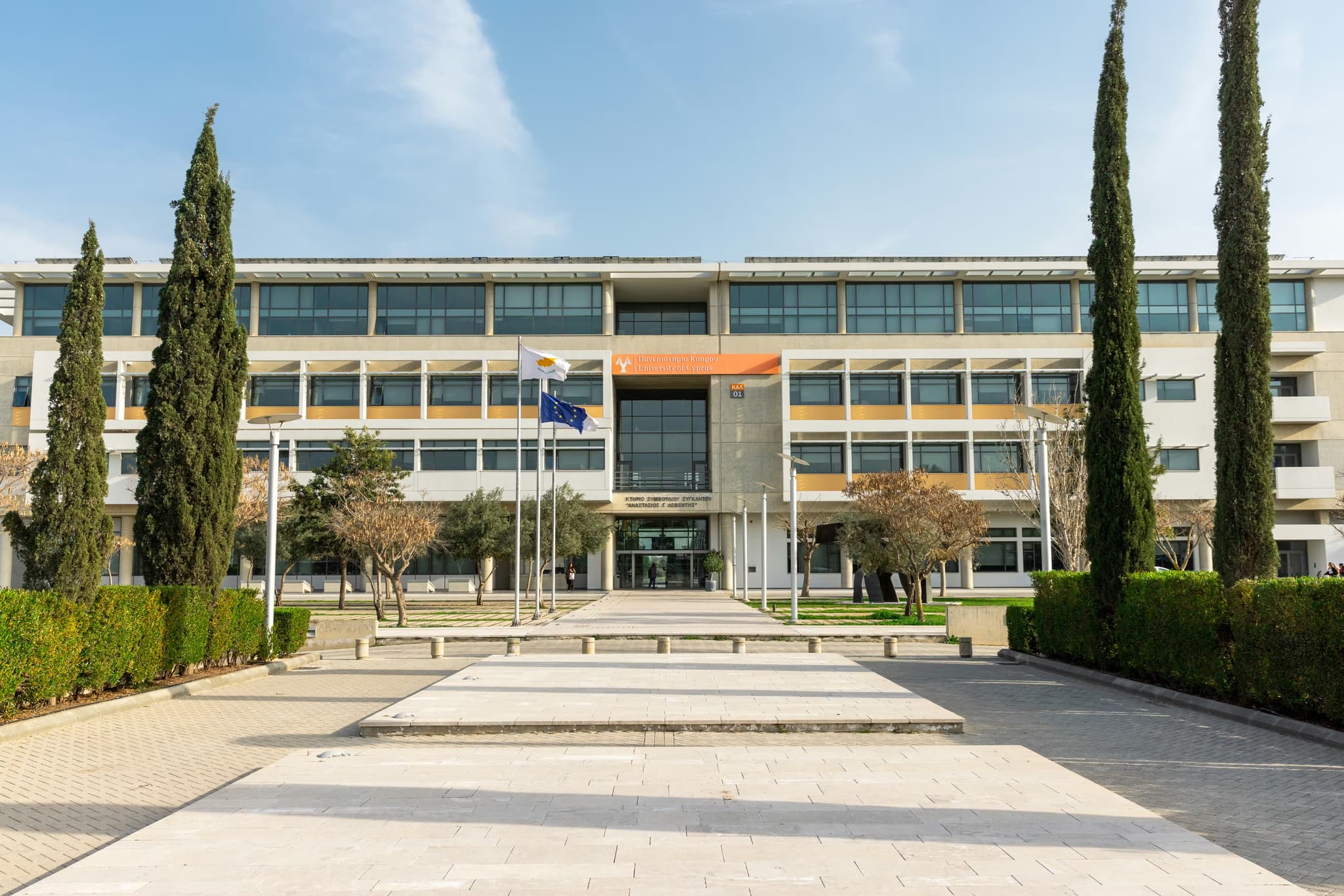
- University of Cyprus (UCY): Located in Nicosia, it is the highest-ranked public institution.
- Cyprus University of Technology (CUT/TEPAK): Based in Limassol, focusing on applied sciences and engineering.
- Open University of Cyprus (OUC): Specialized in distance learning and lifelong education.
Tuition Fees and Language
For EU/EEA citizens, undergraduate tuition at public universities is often subsidized or free. For non-EU citizens, fees are mandatory. As of the 2025/2026 academic year, estimated costs include:
- Undergraduate (Non-EU): Approximately 3,500 EUR ($3,850 USD, Jan 2026) to 6,800 EUR ($7,480 USD, Jan 2026) per year.
- Postgraduate (All international students): Generally ranges from 5,000 EUR ($5,500 USD, Jan 2026) to 10,000 EUR ($11,000 USD, Jan 2026) for the entire program.
Detailed information on specific programs can be found on the official Ministry of Education website.

Private Universities and Colleges
Private institutions are a popular choice for foreign nationals due to the wide range of English-taught programs. These institutions must be registered with the Cyprus Agency of Quality Assurance and Accreditation in Higher Education (CYQAA).
Private Universities
These offer full degree programs including Bachelor’s, Master’s, and PhDs. Popular fields for international students include Medicine, Business Administration, and Maritime Studies. Tuition fees vary significantly by program and institution:
- Standard Degrees: 7,000 EUR ($7,700 USD, Jan 2026) to 9,500 EUR ($10,450 USD, Jan 2026) per year.
- Medical Degrees: 15,000 EUR ($16,500 USD, Jan 2026) to 22,000 EUR ($24,200 USD, Jan 2026) per year.
Private Colleges (Non-University Level)
Private colleges offer vocational certificates, diplomas, and some franchised degree programs from foreign (often UK) universities. These are typically more affordable and focus on practical skills such as hospitality, culinary arts, and information technology.
Note: Foreign nationals must ensure the specific course is accredited by the CYQAA to be eligible for a student residence permit.

Short-term and Language Study
For individuals not seeking a full degree, there are options for professional certifications and language acquisition. These do not always grant the same long-term residency rights as full-time university enrollment.
Language Schools
Many private institutes offer intensive courses in Greek and English. English is widely spoken in Cyprus, but Greek proficiency is often required for employment in local companies or public sectors.
- Cost: Intensive courses range from 400 EUR ($440 USD, Jan 2026) to 800 EUR ($880 USD, Jan 2026) per module.
- Visa status: Short-term language courses (under 90 days) can often be completed on a standard visitor visa, depending on the applicant's nationality. For longer periods, a specific "Student" or "Trainee" permit is required.
Distance Learning
Cyprus has become a regional hub for distance learning. While this offers flexibility, foreign nationals residing in Cyprus on a student visa must generally be enrolled in a full-time, in-person program to maintain their legal residency status. Distance learning is primarily suitable for those already holding another type of residency permit (e.g., Work Permit or Permanent Residency).