
Overview of Utilities in Cyprus
Managing utility connections is a fundamental step for foreign nationals relocating to Cyprus. The system is generally centralized, with specific semi-governmental organizations or local municipalities managing electricity and water, while the telecommunications sector is open to private competition. In 2025 and 2026, most administrative processes can be initiated online, though physical visits to customer service centers remain necessary for initial contract signings and security deposits.
Utility bills in Cyprus are typically issued bi-monthly (every two months) for electricity and quarterly (every three months) for water. It is standard practice for landlords to require tenants to transfer utility accounts into their own names to ensure accountability for consumption.

Electricity Supply
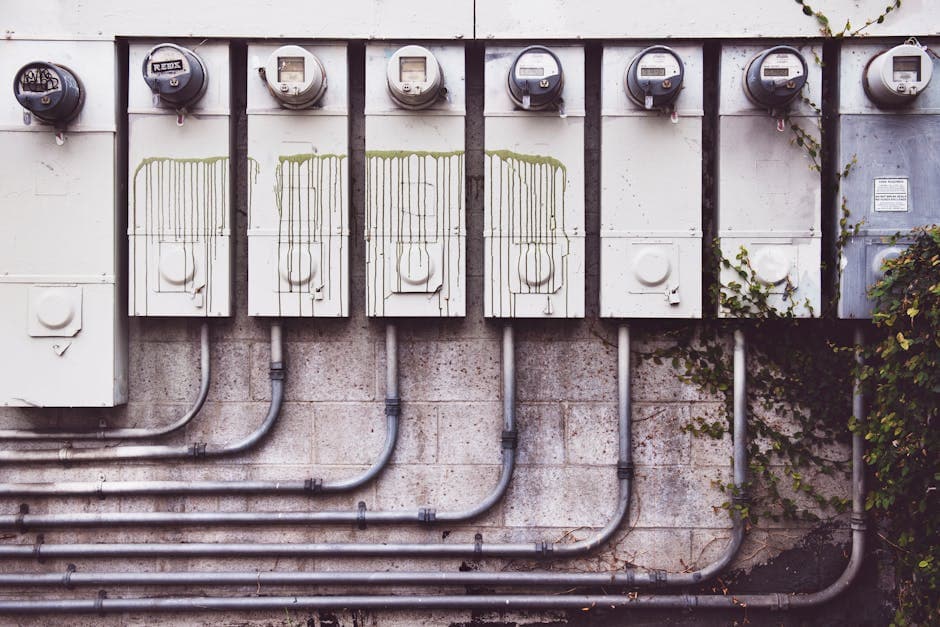
The Electricity Authority of Cyprus (EAC) is the primary provider of electricity across the island. The voltage in Cyprus is 230V, and the frequency is 50Hz. The plug type used is Type G (the British three-pin plug).
Connection Process
To transfer the electricity meter to your name or start a new connection, you must visit a local EAC Customer Service Center. The following documents are generally required:
- A valid passport or European ID.
- A signed rental agreement (stamped by the tax office) or proof of property ownership.
- A completed application form (available at the EAC office or website).
- Proof of previous meter readings (usually a photo of the meter taken on the day of move-in).
Deposits and Fees
Foreign nationals are required to pay a refundable security deposit. For EU citizens, this is approximately 100 EUR ($108 USD, Jan 2026). For non-EU citizens, the deposit is higher, typically 350 EUR ($378 USD, Jan 2026). This deposit is held to cover unpaid bills and is refunded or credited when the account is closed.
Note: EAC offers a discount for prompt payments and electronic billing (e-bills). Payments can be made via the EAC mobile app, commercial banks, or JCC Smart.
Water and Sewage Services
Water supply in Cyprus is managed by local Water Boards in urban areas (Nicosia, Limassol, Larnaca, and Paphos) or by the local municipality in rural villages. Water is a scarce resource in Cyprus; therefore, tiered pricing is applied where the cost per cubic meter increases with higher consumption.
Registration and Billing
Like electricity, water accounts should be transferred to the tenant's name. You must visit the local Water Board office (e.g., Water Board of Limassol) with your ID and tenancy agreement. A deposit is required, usually ranging from 50 EUR to 150 EUR ($54 to $162 USD, Jan 2026), depending on the municipality's regulations.
Waste Collection and Sewerage Taxes
Refuse (trash) collection is managed by the municipality. An annual fee is charged, which varies by property size and location, typically ranging from 150 EUR to 250 EUR ($162 to $270 USD, Jan 2026) per year. Sewerage boards also issue separate annual or bi-annual taxes based on the recorded value of the property.
Internet and Telecommunications
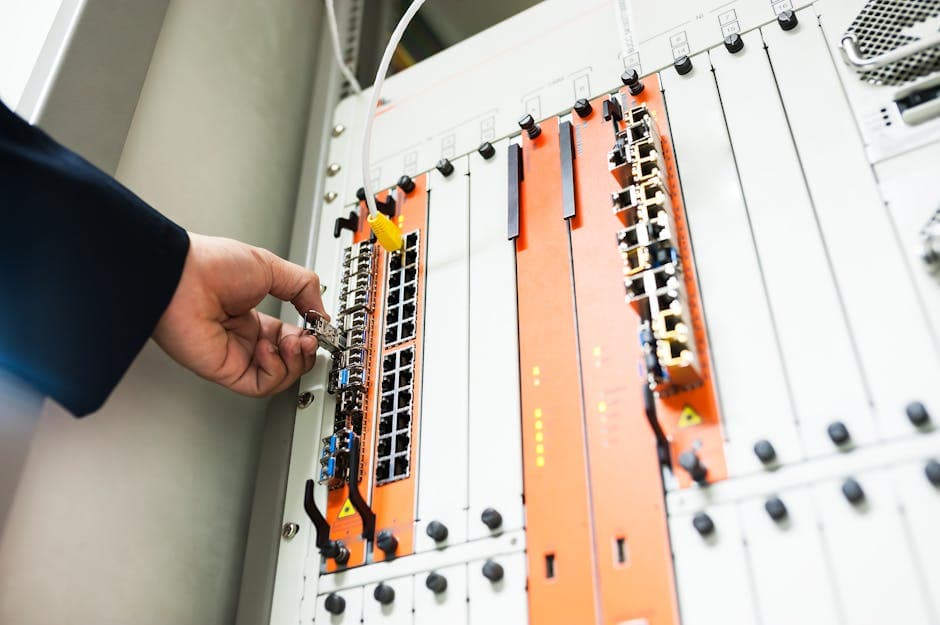
Cyprus has a competitive telecommunications market with high-speed fiber optic networks widely available in 2025 and 2026. Major providers include:
- Cyta (State-owned, extensive coverage).
- Epic.
- Cablenet (Known for high speeds in urban areas).
- PrimeTel.
Contract Types
Most providers offer 24-month contracts which often include a free router and installation. Monthly fees for a 100Mbps fiber connection typically start at 30 EUR ($32 USD, Jan 2026). For shorter stays, some providers offer monthly rolling contracts at a higher premium.
Mobile Services
Both "Pay-As-You-Go" (Prepaid) and monthly plans (Postpaid) are available. To secure a postpaid contract, foreigners usually need to provide a bank guarantee or a deposit if they do not have a long-term residency permit.
Heating and Gas
There is no centralized gas pipeline network for residential homes in Cyprus. Most residents use Liquefied Petroleum Gas (LPG) cylinders for cooking and, occasionally, for space heaters. These 10kg cylinders can be purchased or exchanged at most supermarkets and petrol stations for approximately 15 EUR to 20 EUR ($16 to $22 USD, Jan 2026) per refill.
In newer developments, central heating systems may run on diesel (heating oil) or electricity (heat pumps). If the property uses heating oil, the tenant is responsible for ordering fuel from private distributors when the tank is low.
Summary of Estimated Monthly Costs (2025/2026)
- Electricity: 80–150 EUR ($86–$162 USD) – varies significantly by AC usage.
- Water: 15–30 EUR ($16–$32 USD).
- Internet: 30–50 EUR ($32–$54 USD).
- Refuse Collection: ~15 EUR ($16 USD).