
Overview of the Cyprus Healthcare System
The Republic of Cyprus operates a dual healthcare system comprising the National Healthcare System, known as GeSY (General Healthcare System), and a robust private medical sector. Since its full implementation in 2020, GeSY has transitioned the country toward universal healthcare coverage, providing residents with access to a wide range of medical services through a subsidized, contribution-based model.
The system is managed by the Health Insurance Organisation (HIO) and is designed to ensure equity of access, regardless of the patient's income or employment status. While GeSY covers the majority of medical needs, private healthcare remains a popular choice for those seeking faster access to specific specialists or those who do not yet meet the residency requirements for the public system.
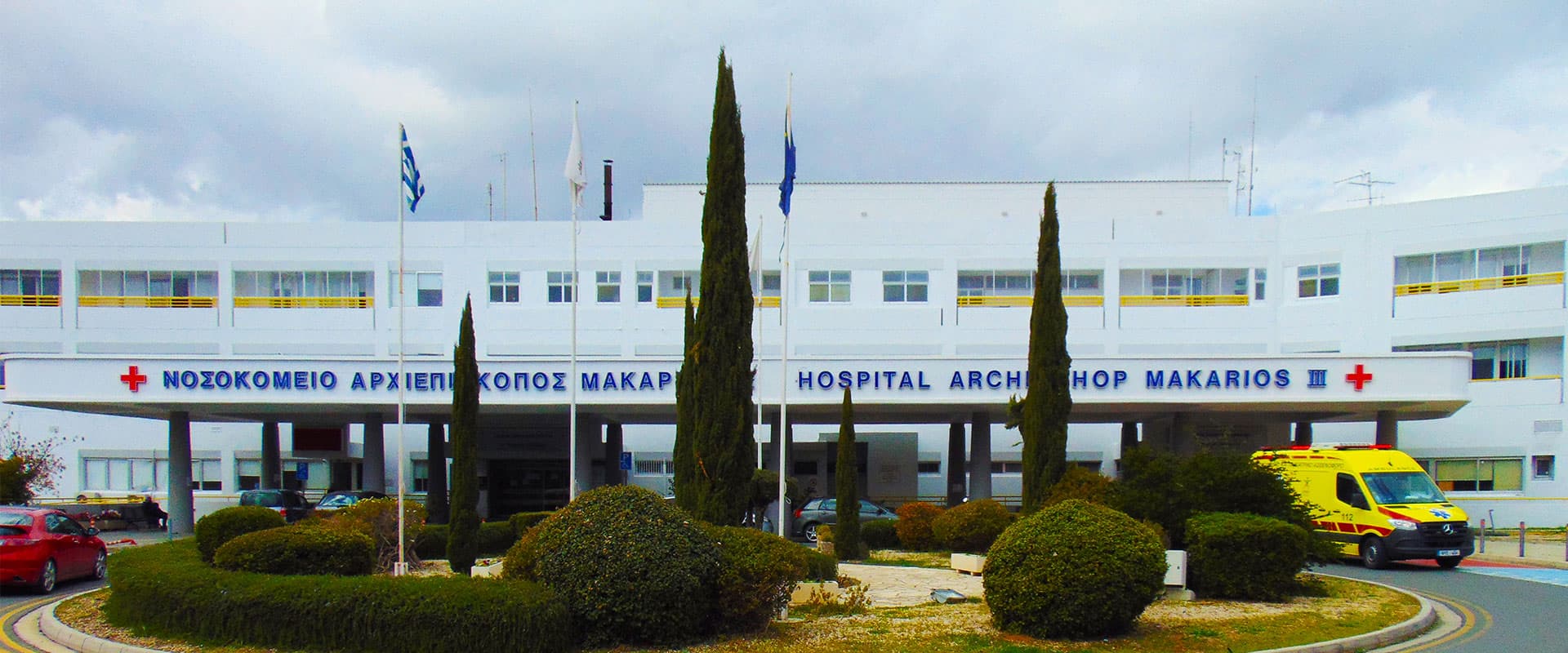
Eligibility and Registration for GeSY
Access to the public healthcare system is not automatic upon arrival; it is tied to legal residency and social insurance contributions. The following categories of foreign nationals are generally eligible to enroll in GeSY:
- European Union (EU) citizens who are permanent or temporary residents.
- Non-EU nationals (Third Country Nationals) who hold a valid residence permit and are working, or have attained permanent residency status.
- Family members of eligible beneficiaries (spouses and children).
- Pensioners receiving a pension from an EU member state or other bilateral agreement countries.
To register, individuals must first obtain an Alien Registration Certificate (ARC) and a Social Insurance Number. The registration process is completed online via the GeSY Portal. Once registered, beneficiaries must select a Personal Doctor (GP), who acts as the primary gatekeeper for all further medical referrals to specialists, diagnostic tests, or hospitalizations.

Costs: Contributions and Co-payments
GeSY is funded through mandatory monthly contributions deducted from income. As of Jan 2026, the contribution rates remain stabilized at the following levels:
- Employees: 2.65% of gross earnings.
- Employers: 2.90% of the employee's gross salary.
- Self-employed individuals: 4.00% of income.
- Pensioners and passive income earners: 2.65%.
While the system is heavily subsidized, patients are required to pay small "co-payments" (patient shares) at the point of service. These fees are capped at €150 ($157.50 USD, Jan 2026) per person per year to protect frequent users of the system. Standard co-payments include:
- Visit to a Personal Doctor (GP): Free (if under the annual limit of visits) or €6 ($6.30 USD, Jan 2026).
- Visit to a Specialist: €25 ($26.25 USD, Jan 2026).
- Prescription Medication: €1 ($1.05 USD, Jan 2026) per item.
- Diagnostic Lab Tests: €1 ($1.05 USD, Jan 2026) per test category, capped at €10 ($10.50 USD, Jan 2026).
- Emergency Department Visit: €10 ($10.50 USD, Jan 2026).

Private Healthcare and Emergency Services
Foreign nationals who are not yet eligible for GeSY—such as those on a "Visitor" visa or certain temporary permits—must maintain private medical insurance. This is a mandatory requirement for the issuance and renewal of residency permits. Private insurance offers the advantage of bypassing waiting lists and providing access to high-end private hospitals that may not be fully integrated into the GeSY network.
In the event of a life-threatening emergency, both public and private hospitals provide care. The universal emergency number in Cyprus is 112. For non-life-threatening urgent care during nights or weekends, GeSY-enrolled patients can access "Out-of-Hours" clinics provided by the state healthcare services (OKYPY), the details of which are updated regularly on the official OKYPY website.
Important Note: While GeSY has significantly reduced the cost of healthcare, dental care for adults is only minimally covered (typically one cleaning per year), and most orthodontic or complex dental work must be paid for out-of-pocket in the private sector.