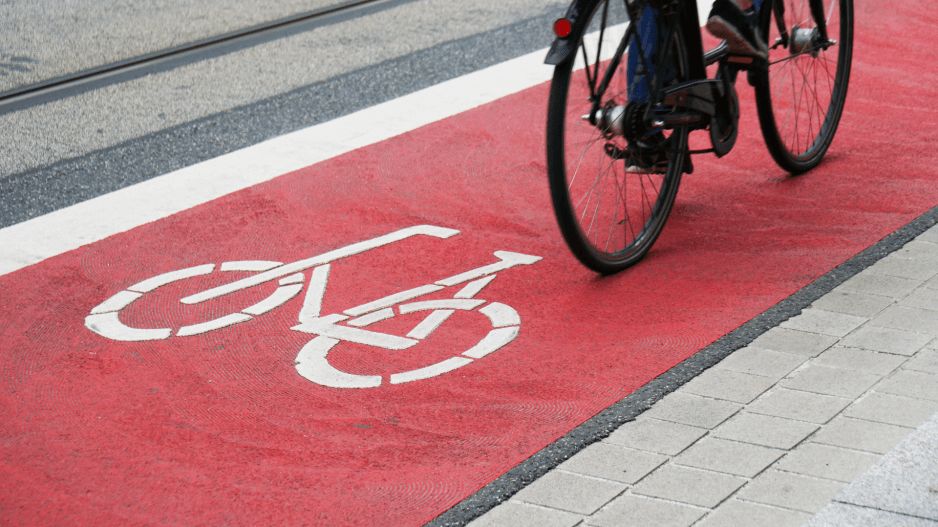
Overview of Transportation in Cyprus
Transportation in Cyprus is characterized by a heavy reliance on private vehicles. As of 2025, the Republic of Cyprus does not have an active railway system or a metro network. The primary modes of movement are private cars, public bus services, and taxis. While the government has significantly invested in the "Cyprus Public Transport" infrastructure and green mobility initiatives, the geographical layout of cities like Nicosia, Limassol, Larnaca, and Paphos makes vehicle ownership a standard requirement for many residents.
Foreign nationals should be aware that Cyprus follows the British system of driving on the left-hand side of the road. Major cities are connected by a modern four-lane motorway network (A-roads), which is free to use and does not currently feature toll booths.
Driving and Vehicle Ownership
Driving in Cyprus requires a valid driving license, insurance, and compliance with local road safety laws. For many expatriates, the process of legalizing their driving status depends on their country of origin and the duration of their stay.
Driving License Validity and Exchange
The rules for using a foreign license vary by nationality:
- EU/EEA Nationals: Valid licenses issued by EU member states are recognized until their expiration date. There is no mandatory requirement to exchange them, though residents may choose to do so after six months of residency.
- Non-EU Nationals: Nationals from specific countries (including the UK, USA, Canada, Australia, and others with reciprocal agreements) can use their national license for up to six months. After this period, the license must be exchanged for a Cypriot equivalent.
- Other Nationalities: If your country does not have a reciprocal agreement, you may be required to take both a theoretical and practical driving test in Cyprus.
The administrative fee for exchanging a foreign license for a Cypriot one is approximately 40 EUR ($43.20 USD, Jan 2026). More information can be found on the Department of Road Transport (RTD) official website.
Vehicle Costs and Maintenance
Owning a car involves several recurring costs. All vehicles must undergo a Ministry of Transport (MOT) test every two years to ensure roadworthiness. The cost of an MOT test is typically around 35 EUR ($37.80 USD, Jan 2026).
Annual Road Tax (Circulation License) is calculated based on the vehicle's CO2 emissions. For a standard modern sedan, this can range from 50 EUR ($54.00 USD, Jan 2026) to over 300 EUR ($324.00 USD, Jan 2026) for older, less efficient vehicles. Failure to pay road tax results in significant fines and the potential seizure of the vehicle by the Cyprus Police.

Public Bus Services
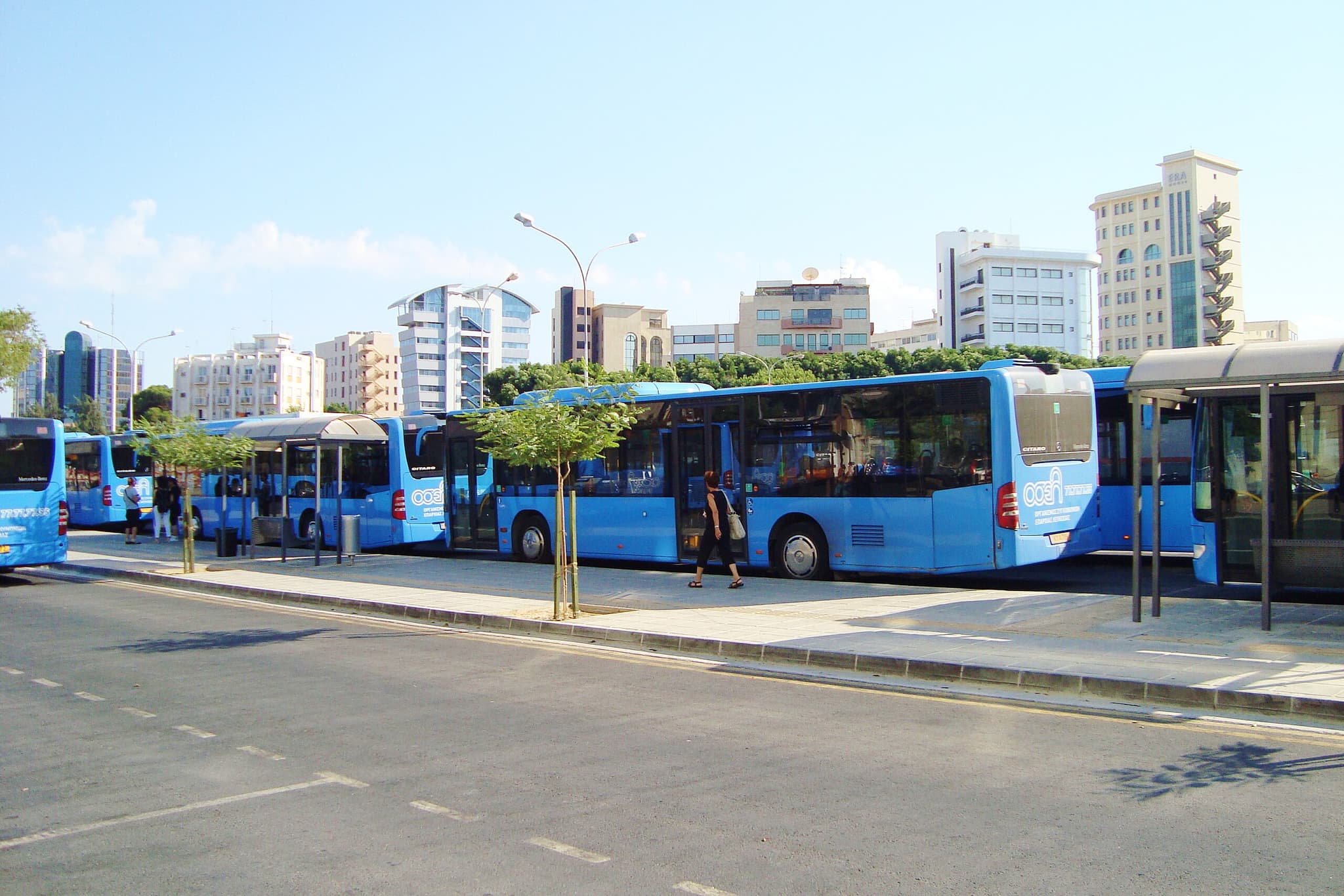
Public transport has undergone modernization under the "Cyprus Public Transport" and "Intercity Buses" brands. While coverage has improved, frequency in rural areas remains limited compared to urban centers.
Urban and District Buses
Each major district has its own municipal bus service providers. In Nicosia and Larnaca, services are primarily managed by Cyprus Public Transport (CPT). In Limassol, services are provided by EMEL, and in Paphos by OSYPA.
Fares and Payment:
- Single Trip (Day): 2.40 EUR ($2.59 USD, Jan 2026).
- Single Trip (Night): 4.00 EUR ($4.32 USD, Jan 2026).
- Daily Pass: 7.50 EUR ($8.10 USD, Jan 2026).
- Monthly Pass: 45.00 EUR ($48.60 USD, Jan 2026).
Passengers are encouraged to use the Motion Card (a reloadable smart card) or the Pame App to manage tickets and view real-time bus locations. Using a smart card often provides discounted rates compared to cash payments on the bus.
Intercity Buses
For travel between cities (e.g., Limassol to Nicosia), the green "Intercity Buses" are the only public option. These buses are generally punctual and equipped with air conditioning. A one-way intercity ticket between major hubs costs approximately 7.00 EUR ($7.56 USD, Jan 2026), while a daily intercity pass costs 15.00 EUR ($16.20 USD, Jan 2026). You can find updated schedules at Intercity-Buses.com.
Taxis and Ride-Hailing
Taxis in Cyprus are a common but more expensive alternative to buses. They are strictly regulated, and all legal taxis must have a "Taxi" sign on the roof and use a calibrated meter. There are two main types:
- Urban Taxis: Available 24/7 in all cities. They can be hailed on the street or booked via phone and apps. Base fares start at approximately 3.80 EUR ($4.10 USD, Jan 2026), with additional charges per kilometer and for luggage.
- Travel Taxis (Shared): These operate between major cities and carry 4 to 8 passengers. They are more affordable than private taxis but follow set routes and schedules.
Ride-Hailing Apps: While international services like Uber do not operate in Cyprus as of 2025, local alternatives such as Bolt, CabCy, and RideNow (car-sharing) are widely used in urban areas and provide transparent pricing.
Note: When using a taxi from the airport (Larnaca or Paphos), ensure the driver starts the meter or agree on a fixed price beforehand based on the official government-approved tariff charts displayed at the airport exits.
Alternative Transport and Cycling
The government of Cyprus is actively promoting cycling through the construction of dedicated bike lanes, particularly in Nicosia and Limassol. Bike-sharing schemes (such as Nextbike) allow users to rent bicycles via a mobile app for short durations. Rental costs typically start at 2.50 EUR ($2.70 USD, Jan 2026) for the first hour.
Electric scooters have also become popular in coastal areas, though regulations regarding their use on public roads and sidewalks are strictly enforced by municipal authorities to ensure pedestrian safety.