
Overview of the Cyprus Education System
The education system in Cyprus is overseen by the Ministry of Education, Sport and Youth. It is structured into four main stages: pre-primary, primary, secondary, and higher education. For foreign nationals, the system offers a choice between state-funded public schools, where the primary language of instruction is Greek, and a wide range of private international schools, which primarily teach in English, Russian, or French.
Education is compulsory for all children residing in Cyprus from the age of 4 years and 8 months until the age of 15, or the completion of the lower secondary cycle (Gymnasium). The academic year typically begins in early September and concludes in June, divided into two or three terms depending on the institution type.
Childcare and Pre-primary Education
Childcare services in Cyprus cater to children from infancy up to the age of compulsory schooling. These services are provided by both the state and private sectors. For expatriate families, private nurseries (Nipiagogeio) are the most common choice due to flexible hours and English-speaking staff.
Nurseries and Daycare
Private nurseries generally accept children from 6 months to 4 years old. Facilities are regulated by the Social Welfare Services. Operating hours are typically from 07:30 to 14:30, though many offer extended "all-day" programs until 18:00 for an additional fee.
- Average Costs: Monthly fees for private nurseries range from 350 EUR ($378 USD, Jan 2026) to 600 EUR ($648 USD, Jan 2026), depending on the location and hours.
- Public Options: Community nurseries exist but priority is often given to low-income families or Cypriot citizens.
Compulsory Pre-primary
For the 2025/2026 academic year, children must enroll in a formal pre-primary class (Pro-dimotiki) once they reach the age of 4 years and 8 months. This year is mandatory and is provided free of charge in public kindergartens, though parents may contribute a small amount for meals, approximately 40 EUR to 60 EUR ($43 - $65 USD, Jan 2026) per month.
Primary and Secondary Education
The school system is divided into Primary (6 years) and Secondary (6 years). Secondary education is further split into the Gymnasium (lower secondary) and the Lyceum or Technical Schools (upper secondary).
Public Schools
Public education is free for all residents, including foreign nationals. While the curriculum is taught in Greek, the Ministry provides "Intercultural Education" programs to support non-Greek speaking students with intensive language classes.
Pros: No tuition fees, neighborhood integration, high standard of mathematics and science.
Cons: Language barrier for older children, high reliance on private afternoon tutoring (Frontistiria).
Private International Schools
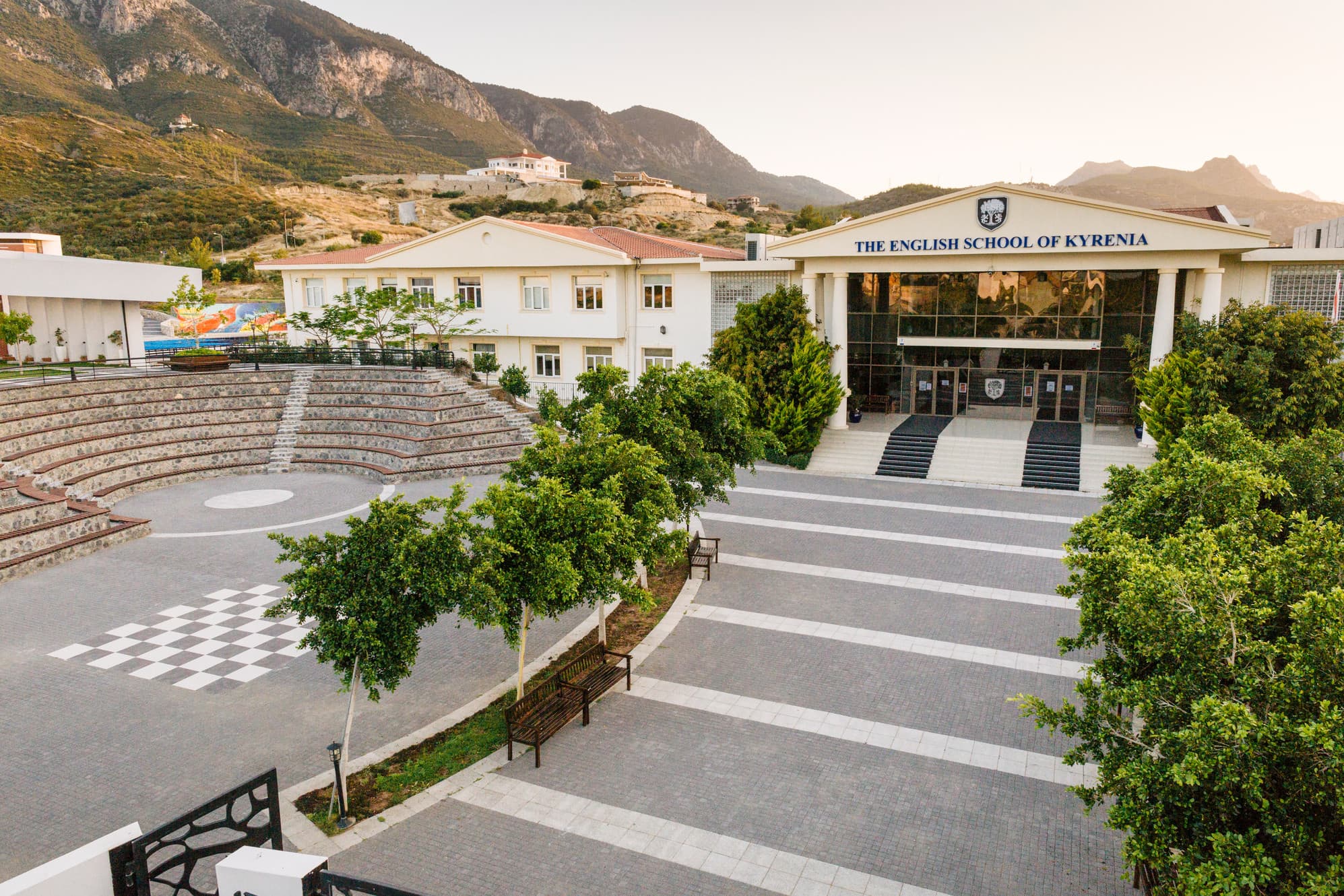
Cyprus has a high density of international private schools, particularly in Limassol, Nicosia, and Paphos. Most follow the British National Curriculum (GCSE and A-Levels) or the International Baccalaureate (IB). Some schools offer the Russian or French national curricula.
- Annual Tuition (Primary): 5,000 EUR ($5,400 USD, Jan 2026) to 8,000 EUR ($8,640 USD, Jan 2026).
- Annual Tuition (Secondary): 7,000 EUR ($7,560 USD, Jan 2026) to 12,000 EUR ($12,960 USD, Jan 2026).
- Additional Costs: Enrollment fees (usually 200-500 EUR), books, and uniforms.

Enrollment Procedures and Requirements
Registration for public schools typically occurs in January for the following September. Private schools accept applications year-round, though popular institutions often have waiting lists for 2025/2026 entry.
Required Documentation
To enroll a child in any Cyprus school, parents generally must provide the following documents (translated into Greek or English):
- Birth certificate or Passport of the child.
- Proof of residence (e.g., utility bill or rental agreement).
- Child’s Health Booklet/Vaccination records (State schools require specific vaccinations).
- Previous school reports or certificates of attendance (for secondary levels).
- Parents' residence permits (Yellow Slip for EU, Pink Slip/MUKW for non-EU).
For official updates on enrollment dates and state curriculum, visit the Ministry of Education, Sport and Youth website.
Exceptions and Special Needs
Cyprus follows an inclusive education policy. Children with special educational needs (SEN) are entitled to support in public schools, including the assistance of a "Sindoos" (aide). However, availability varies by district. Private schools offer varying levels of SEN support, often requiring additional fees for specialized staff.