
Introduction to Property Acquisition in Cyprus
The process of purchasing real estate in the Republic of Cyprus is governed by the Immovable Property Law and overseen by the Department of Lands and Surveys. While the market is open to international buyers, the requirements and limitations differ significantly based on the purchaser's citizenship status. European Union (EU) citizens generally enjoy the same rights as Cypriot nationals, whereas third-country nationals (non-EU) must adhere to specific administrative procedures and restrictions regarding the type and size of property they can acquire.
As of 2025, the Cypriot government continues to maintain a centralized system for title deeds, though buyers are advised that the "issuance of title deeds" can sometimes lag behind the physical completion of new projects. For comprehensive official data, foreigners should consult the Department of Lands and Surveys Portal.

Legal Requirements for Foreign Nationals
The legal framework distinguishes between two main groups of foreign buyers:
- EU Citizens: Residents of EU member states are permitted to purchase property in Cyprus without any prior permission from the authorities. They may own multiple properties and land without specific size limitations, provided the purchase is for personal or investment use.
- Third-Country Nationals (Non-EU): These individuals are required to apply for permission from the Council of Ministers before the title deed can be transferred to their name. Permission is typically granted for:
- One apartment or one house.
- A building plot or land not exceeding 4,014 square meters (approximately 3 donums).
While the permission from the Council of Ministers is largely a formality for legitimate buyers, the property cannot be legally "transferred" into the buyer's name at the Land Registry until this approval is secured. However, the buyer can take possession and "file" the contract for legal protection immediately after signing.
Step-by-Step Purchase Process
The standard procedure for buying property in Cyprus follows a structured sequence designed to protect the interests of both parties through the "Specific Performance" mechanism.
1. Due Diligence and Reservation
Before signing a formal contract, a lawyer should conduct a title search to ensure the property is free of "memos" (debts), mortgages, or legal disputes. Once satisfied, the buyer pays a reservation fee, typically ranging from 2,000 EUR ($2,100 USD, Jan 2026) to 10,000 EUR ($10,500 USD, Jan 2026), to remove the property from the market for a set period (usually 30 days).
2. Contract of Sale
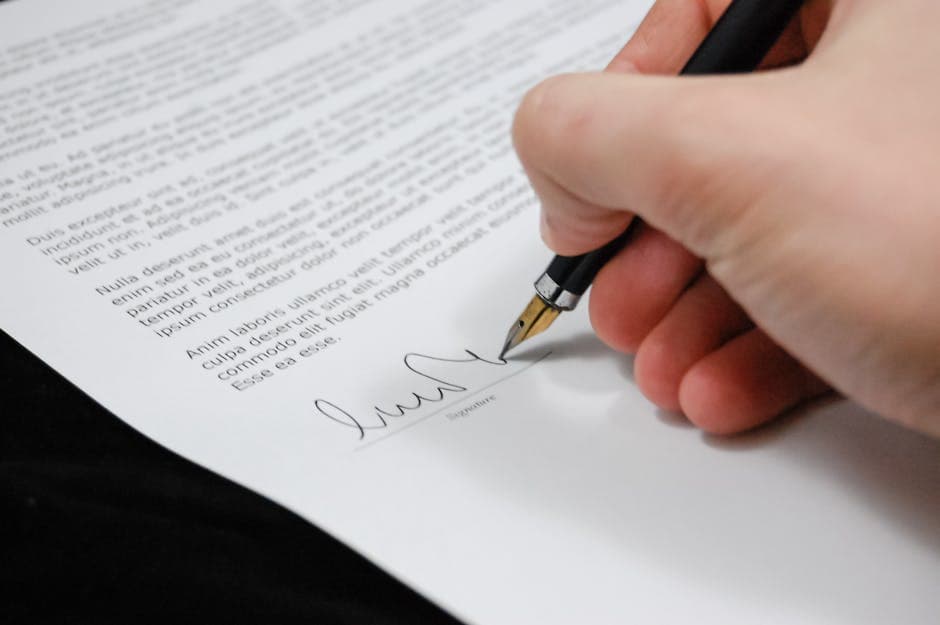
The Contract of Sale is drafted by legal professionals. It must detail the payment schedule, delivery date (if under construction), and technical specifications. Once signed, the contract must be "stamped" by the Tax Department to verify that the necessary stamp duty has been paid.
3. Depositing the Contract (Specific Performance)
Within 90 days of signing, the contract must be deposited at the District Land Registry. This act provides the buyer with "Specific Performance" rights, preventing the owner from selling the property to anyone else or using it as collateral for a loan until the title deed is transferred.
4. Payment and Possession
Payments are usually made according to the progress of the work (for off-plan) or upon signing (for resale). Upon the final payment of the agreed purchase price, the keys are handed over, and the buyer takes physical possession of the property.

Taxes, Fees, and Financial Obligations
Buyers must account for several mandatory costs beyond the property price. These figures are based on the latest 2025/2026 regulations.
Value Added Tax (VAT)
VAT is applicable only on new properties. The standard rate is 19%. However, a reduced rate of 5% may apply to the first 130 square meters of a primary residence, provided the property value does not exceed 350,000 EUR ($367,500 USD, Jan 2026) and the total buildable area does not exceed 190 square meters.
Transfer Fees
These fees are paid to the Land Registry when the title deed is transferred. They are calculated on a sliding scale based on the property value:
- Value up to 85,430 EUR ($89,700 USD, Jan 2026): 3%
- Value from 85,431 EUR to 170,860 EUR ($179,400 USD, Jan 2026): 5%
- Value over 170,861 EUR: 8%
Note: If VAT was paid on the property purchase, transfer fees are currently waived. If VAT was not paid (resale), transfer fees are typically reduced by 50%.
Stamp Duty
This is a one-time payment based on the contract value:
- 0 EUR – 5,000 EUR: 0%
- 5,001 EUR – 170,000 EUR: 0.15%
- Above 170,000 EUR: 0.20% (Capped at a maximum of 20,000 EUR / $21,000 USD, Jan 2026).
Ongoing Costs
Once ownership is established, owners are responsible for annual Immovable Property Tax (abolished at the state level but often collected as a small municipal tax), refuse collection fees, and communal charges for shared facilities.
Official information regarding tax exemptions and specific calculators can be found at the Cyprus Tax Department.