
Cultural Landscape and Social Values
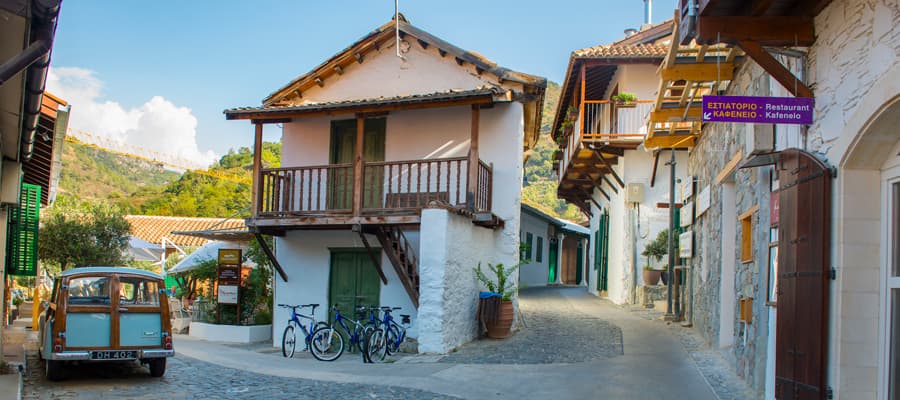
Cypriot culture is defined by a blend of Mediterranean traditions, historical influences from various empires, and a strong emphasis on family and community. As of 2025, the Republic of Cyprus remains a predominantly Greek Orthodox society, though it is increasingly multicultural due to its status as an EU member and a regional business hub. Understanding the concept of philoxenia (hospitality toward strangers) is essential for any foreign national moving to the island.
The social structure is traditionally hierarchical and family-oriented. Major life events such as weddings, christenings, and name days are significant communal activities. Respect for elders is a core value, often demonstrated through seating arrangements and the order of service during meals.
- Family Centrality: Multi-generational households are common, and family opinions often influence career and personal decisions.
- Religion: The Church of Cyprus holds significant social and political influence. While the state is secular, religious holidays are also public holidays.
- Siga-Siga: This phrase translates to "slowly-slowly" and reflects a relaxed approach to time and stress, particularly in social and bureaucratic contexts.
Communication and Social Etiquette
Communication in Cyprus is generally direct but maintains a high level of politeness and warmth. Physical contact, such as a light touch on the arm or back, is common among friends and acquaintances. When meeting for the first time, a firm handshake with direct eye contact is the standard greeting. Once a relationship is established, Greeks-Cypriots often greet each other with kisses on both cheeks.
Language and Body Language
While Greek and Turkish are the official languages, English is widely spoken in business, government, and tourism sectors. However, learning basic Greek phrases is highly regarded by locals. Non-verbal cues are also important; for instance, a slight upward nod of the head can mean "no," while a downward tilt means "yes."
Social Invitations and Gift-Giving
If invited to a Cypriot home, it is customary to bring a small gift. Common choices include high-quality pastries (bought from a local zacharoplastio) or flowers. Avoid bringing lilies, as they are often associated with funerals.
- Pastries/Sweets: Expect to pay between 15 EUR ($15.75 USD, Jan 2026) and 25 EUR ($26.25 USD, Jan 2026) for a standard box of traditional sweets.
- Punctuality: For social gatherings, arriving 15–30 minutes late is generally acceptable, though punctuality is expected in professional settings.
Public Conduct and Religious Sensitivity
Public behavior in Cyprus is governed by a mix of modern European norms and traditional conservative values. This is particularly evident regarding dress codes and behavior in religious or rural areas. Foreign nationals should be aware of the "rest hours" (mesimeri), which typically occur between 2:30 PM and 4:00 PM, especially during the summer months. Loud noises or disturbances during this period are considered disrespectful.
Visiting Religious Sites
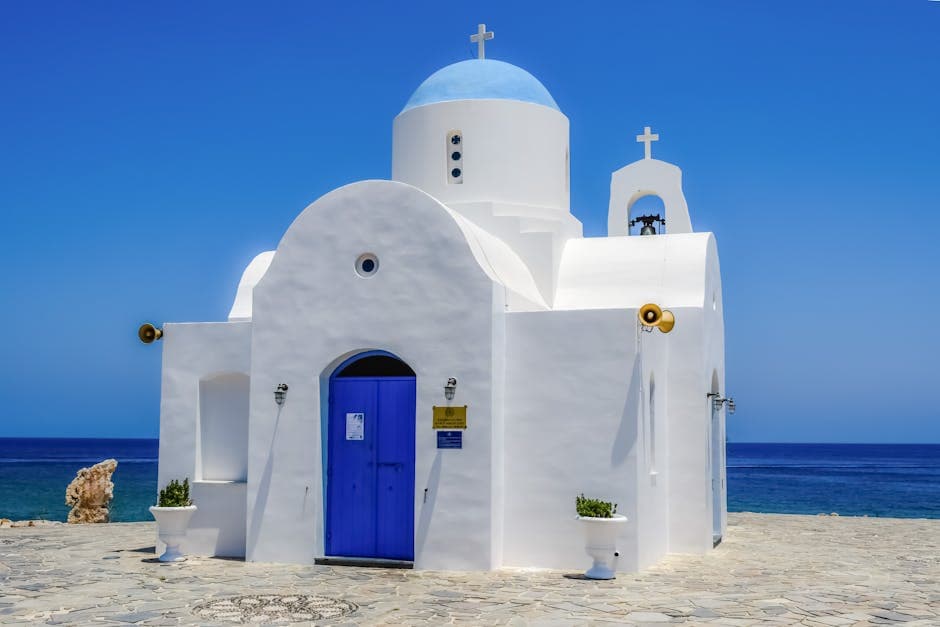
When entering churches or monasteries, modest dress is required. Shoulders and knees must be covered. Most major religious sites provide shawls or wraps at the entrance for visitors. Taking photographs inside churches is often prohibited, especially during services.
The Political Context
The island has been de facto divided since 1974. The Republic of Cyprus (the south) and the area administered by Turkish Cypriots (the north) are separated by a United Nations Buffer Zone. Discussions regarding the "Cyprus Problem" can be sensitive. It is advised to remain neutral and factual when discussing the island's history or political status with locals.
- Photography: It is strictly forbidden to take photos of military installations, soldiers, or the Buffer Zone (Green Line) in Nicosia.
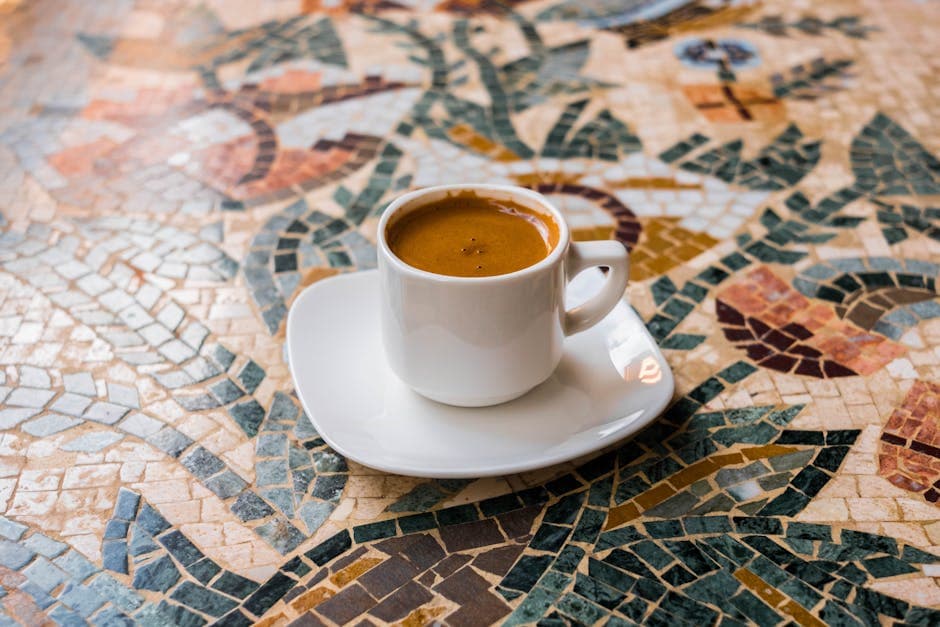
- Tipping: While a service charge is often included in restaurant bills, it is standard to leave a tip of approximately 10% for good service. A coffee typically costs between 3 EUR ($3.15 USD, Jan 2026) and 5 EUR ($5.25 USD, Jan 2026).
For official information on visiting or living in the Republic, consult the Ministry of Foreign Affairs of Cyprus or the official tourism portal at Visit Cyprus.
Business Etiquette and Work Culture
The Cypriot business environment is heavily dependent on personal relationships and networking. Trust is a prerequisite for successful negotiations, and initial meetings may focus more on getting to know one another than on the specific details of a contract. Decisions are typically made at the top of the organizational hierarchy.
Professional Attire
Standard business attire is formal (suits for men and women), though this may relax slightly in the peak summer months. In tech and creative sectors, "business casual" is becoming more common, but it is always safer to start with formal wear for a first meeting.
Working Hours and Public Holidays
The standard work week is 40 hours. However, many shops and smaller businesses may close early on Wednesday and Saturday afternoons (around 2:00 PM). Sunday is a day of rest, and most retail outlets remain closed, except in designated tourist zones.
Official information regarding labor laws and working conditions can be found at the Department of Labour - Ministry of Labour and Social Insurance.