
The Vibe of Paphos
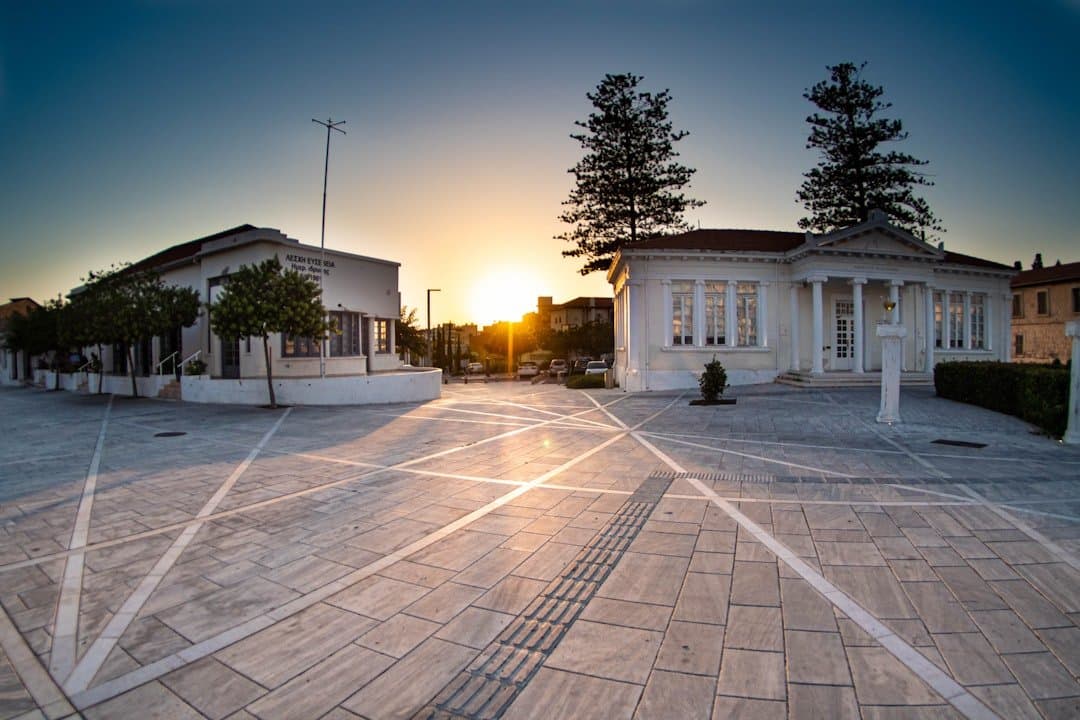
Paphos is characterized by its historical significance and coastal geography. The city is divided into two main areas: Ktima (the upper town/old center) and Kato Paphos (the lower town/harbor area). As a former European Capital of Culture, the city maintains a focus on arts and heritage. The atmosphere is generally quieter than Nicosia or Limassol, making it a preferred destination for families and those seeking a slower pace of life.
Cost of Living and Housing
The cost of living in Paphos is approximately 15-20% lower than in Limassol. As of 2025, rental prices have stabilized but remain higher than historical averages due to increased demand from remote workers. A standard one-bedroom apartment in the city center averages 1,150 EUR per month, while three-bedroom villas in outlying areas like Peyia range from 1,800 EUR to 2,500 EUR.
Utility costs, including electricity and water, typically range between 150 EUR and 250 EUR per month depending on seasonal air conditioning usage. For official statistical data, residents refer to the Cyprus Statistical Service.
Neighborhood Profiles
Kato Paphos
This is the primary tourist and commercial hub. It features the harbor, the archaeological park, and a high density of apartments. It is walkable and provides immediate access to the sea, though it experiences higher foot traffic during peak summer months.
Universal
Located between the upper and lower towns, Universal is a popular residential area for expats. It consists mainly of modern apartment complexes and townhouses. It offers a central location with proximity to both the beach and the city center shops, making it a high-demand area for long-term rentals.
Peyia and Coral Bay
Situated approximately 15km north of the city center, Peyia is a hillside village with a large international population. It offers views of the Mediterranean and is close to Coral Bay, one of the region's primary sandy beaches. It is preferred by those seeking detached housing and garden space.
Transportation and Connectivity
Public transport is managed by OSYPA (Paphos Transport), which operates a network of buses connecting the harbor, the old town, and surrounding villages. While the bus system is functional for main routes, most residents find a private vehicle necessary for daily commuting and accessing remote areas.
Paphos International Airport (PFO) is located 15 minutes from the city center, offering year-round flights to major European hubs. High-speed fiber internet is widely available in the urban core through providers like Cyta and Epic, supporting the city's growing digital nomad community.