
Banking in Cyprus: Overview
The banking sector in Cyprus is regulated by the Central Bank of Cyprus (CBC) and adheres to European Union standards. For foreigners, the system offers a mix of traditional domestic banks, international branches, and digital banking services. Since joining the Eurozone, the official currency is the Euro (EUR).
In recent years, Cyprus has implemented stringent Anti-Money Laundering (AML) and Know Your Customer (KYC) regulations. This means that while banking is accessible, the documentation process is thorough, particularly for non-EU nationals. Most banks offer comprehensive online banking platforms in English to accommodate the large expatriate population.

Choosing a Financial Institution
Expatriates typically choose between three main types of financial institutions in Cyprus:
- Systemic Domestic Banks: These are the largest institutions with the most physical branches and ATMs. Examples include the Bank of Cyprus and Hellenic Bank.
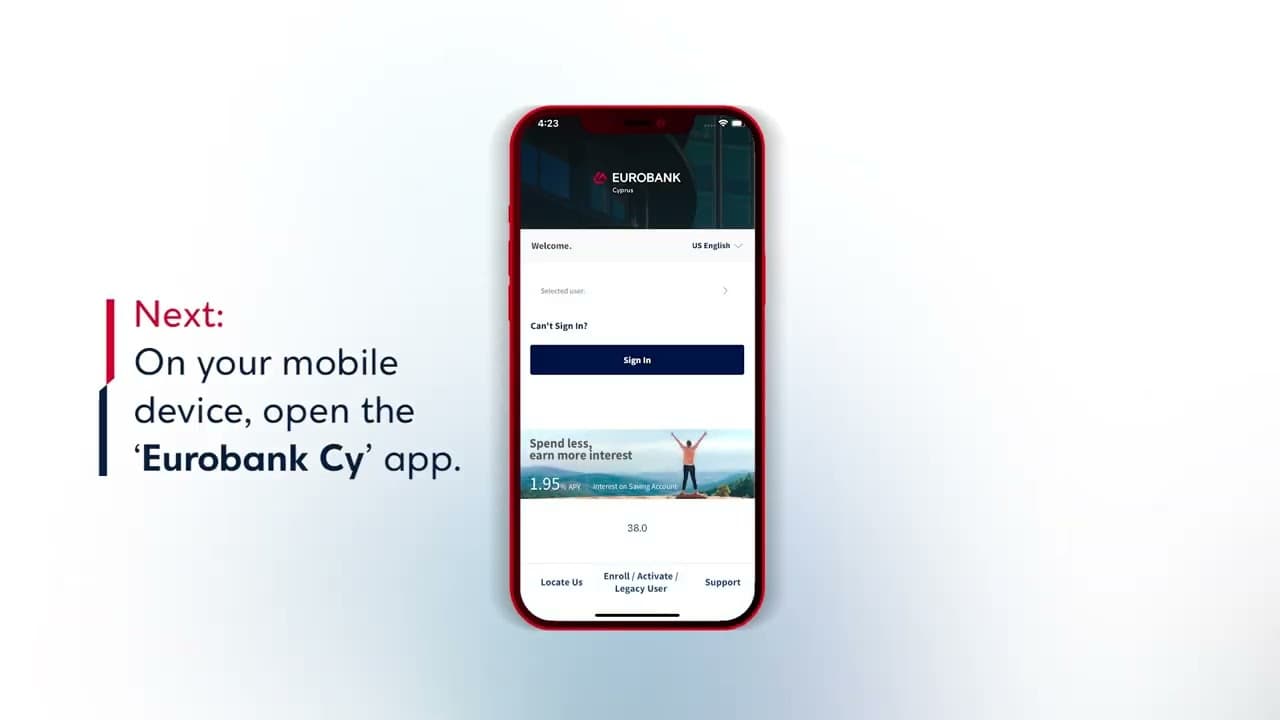
- International Banks: Several foreign banks (such as Alpha Bank or Eurobank) operate in Cyprus, catering to corporate clients and high-net-worth individuals.
- Digital-Only Banks (Neobanks): Services like Revolut and Wise are widely used by residents for daily transactions and currency exchange, though they may not satisfy all local administrative requirements (such as certain government payments or social insurance setups).
Major Local Banks
The two dominant players in the local market are:
- Bank of Cyprus: The largest lender with the most extensive ATM network.
- Hellenic Bank: The second-largest bank, known for its digital integration and retail services.

Opening a Personal Bank Account
Opening an account usually requires a face-to-face meeting, although some banks have introduced digital onboarding for specific residency types. The process can take anywhere from a few days to several weeks, depending on the applicant's nationality and source of funds.
Required Documentation
While requirements vary by bank, the following documents are standard for 2025/2026:
- Valid Passport: A national ID card may suffice for EU citizens.
- Proof of Address: A utility bill (electricity or water) in the applicant's name, dated within the last three to six months. Tenancy agreements are often required as supplementary proof.
- Proof of Income/Source of Wealth: This includes employment contracts, payslips, or tax returns.
- Reference Letter: Some banks still request a reference letter from a previous bank in your home country.
- Alien Registration Certificate (ARC): For non-EU nationals, showing legal residency status is mandatory.
Account Maintenance Fees
Banks in Cyprus typically charge quarterly or monthly maintenance fees. As of 2025/2026, a standard current account fee ranges from 2 EUR to 5 EUR per month ($2.10 to $5.25 USD, Jan 2026). Specialized "Basic Accounts," mandated by EU law for residents, often have lower fees or are free for those with limited transactions.
Payments and Digital Banking
Cyprus is highly modernized regarding payment systems. Most merchants, including small kiosks, accept contactless payments via debit/credit cards or mobile wallets (Apple Pay, Google Pay).
JCC Payment Systems
The majority of card processing in Cyprus is handled by JCC Payment Systems. This provider also hosts a portal where residents can pay utility bills, government fees, and school tuition online using a local or international card.
SEPA and International Transfers
As part of the Single Euro Payments Area (SEPA), transfers between Cyprus and other EU/EEA countries are processed quickly and often at a low cost. For transfers outside the EU, SWIFT fees apply. These fees typically range from 15 EUR to 30 EUR ($15.75 to $31.50 USD, Jan 2026) per transaction, depending on the amount and the urgency.
ATM Usage
Withdrawing cash from your own bank's ATM is generally free. However, using an ATM from a different bank usually incurs a fee of approximately 2.50 EUR ($2.63 USD, Jan 2026) per transaction.
Important Considerations
- KYC Updates: Banks in Cyprus frequently request updated documentation (new passports, fresh utility bills). Failure to provide these within the specified timeframe may lead to account freezing.
- Check Usage: The use of physical checks has declined significantly but is still occasionally used in real estate transactions.
- Interest Rates: Interest rates on savings accounts remain relatively low, while mortgage and personal loan rates are subject to European Central Bank (ECB) fluctuations.
- Deposit Guarantee: Deposits in Cyprus are protected by the Deposit Guarantee and Resolution of Credit and Other Institutions Scheme (DGS) up to 100,000 EUR ($105,000 USD, Jan 2026) per person, per bank.