
Urban Profile and Vibe
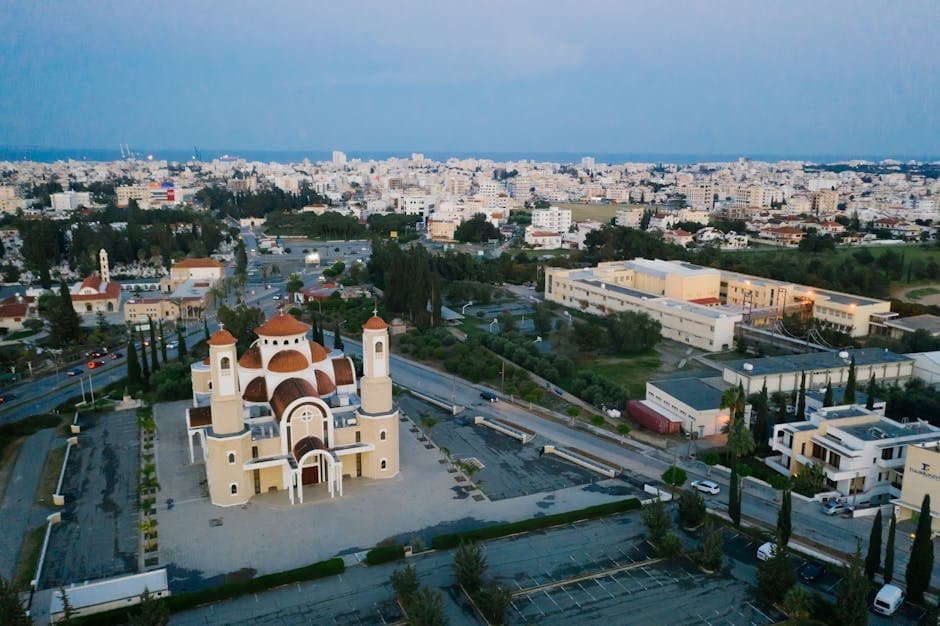
Larnaca is characterized by its dual identity as a commercial port city and a residential coastal destination. The city is home to the Larnaca International Airport, making it the most accessible city in Cyprus for international travelers. The atmosphere is generally more conservative and paced slower than Limassol, focusing on family-oriented residential areas and a centralized promenade known as Finikoudes.
Key Residential Neighborhoods
Residential choices in Larnaca vary by proximity to the coastline and the city center. Each district serves different demographic needs based on infrastructure and local amenities.
Finikoudes and City Center
This is the primary commercial and tourist zone. It contains high-density apartment living and proximity to administrative offices and retail centers. It is the most walkable part of the city.
Mackenzie
Located south of the center near the airport, this area is known for mid-rise residential buildings and a high concentration of hospitality establishments. It is popular among short-term residents and younger professionals.
Aradippou and Livadia
These are expanding suburban municipalities located on the outskirts. They offer larger detached housing units and are preferred by long-term residents and families requiring proximity to private schools and highway links to Nicosia and Ayia Napa.
Transportation and Connectivity
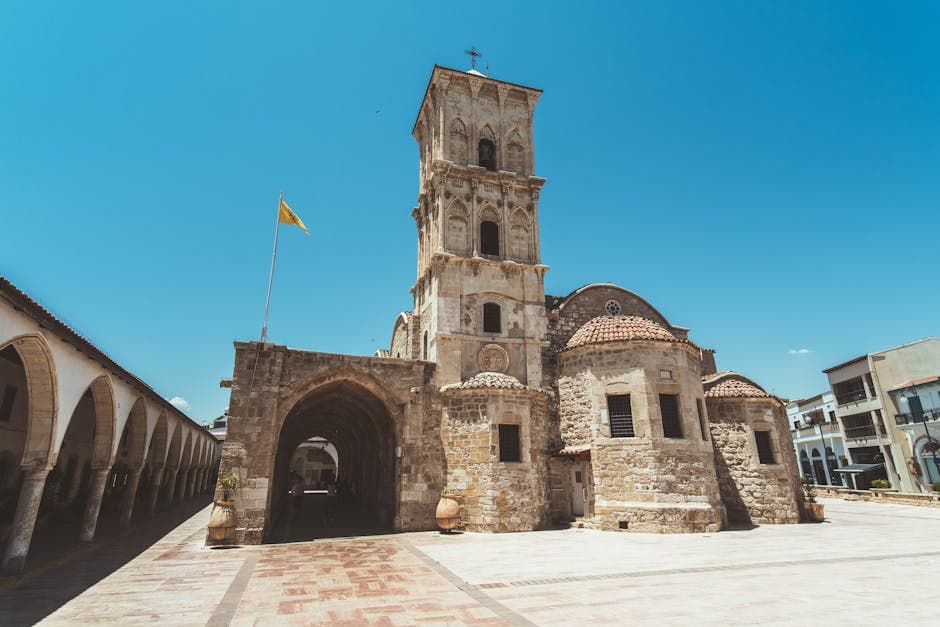
Larnaca serves as the logistical heart of Cyprus. The city is positioned at the intersection of the A1, A2, and A3 highways, providing direct road access to all major government-controlled cities. Public transit is managed by Cyprus Public Transport, which operates a fleet of modern buses connecting the airport, city center, and suburban districts.
Note: While bus frequency has increased in 2025, private vehicle ownership remains the primary mode of transport for residents commuting outside the city center.
Cost of Living and Employment
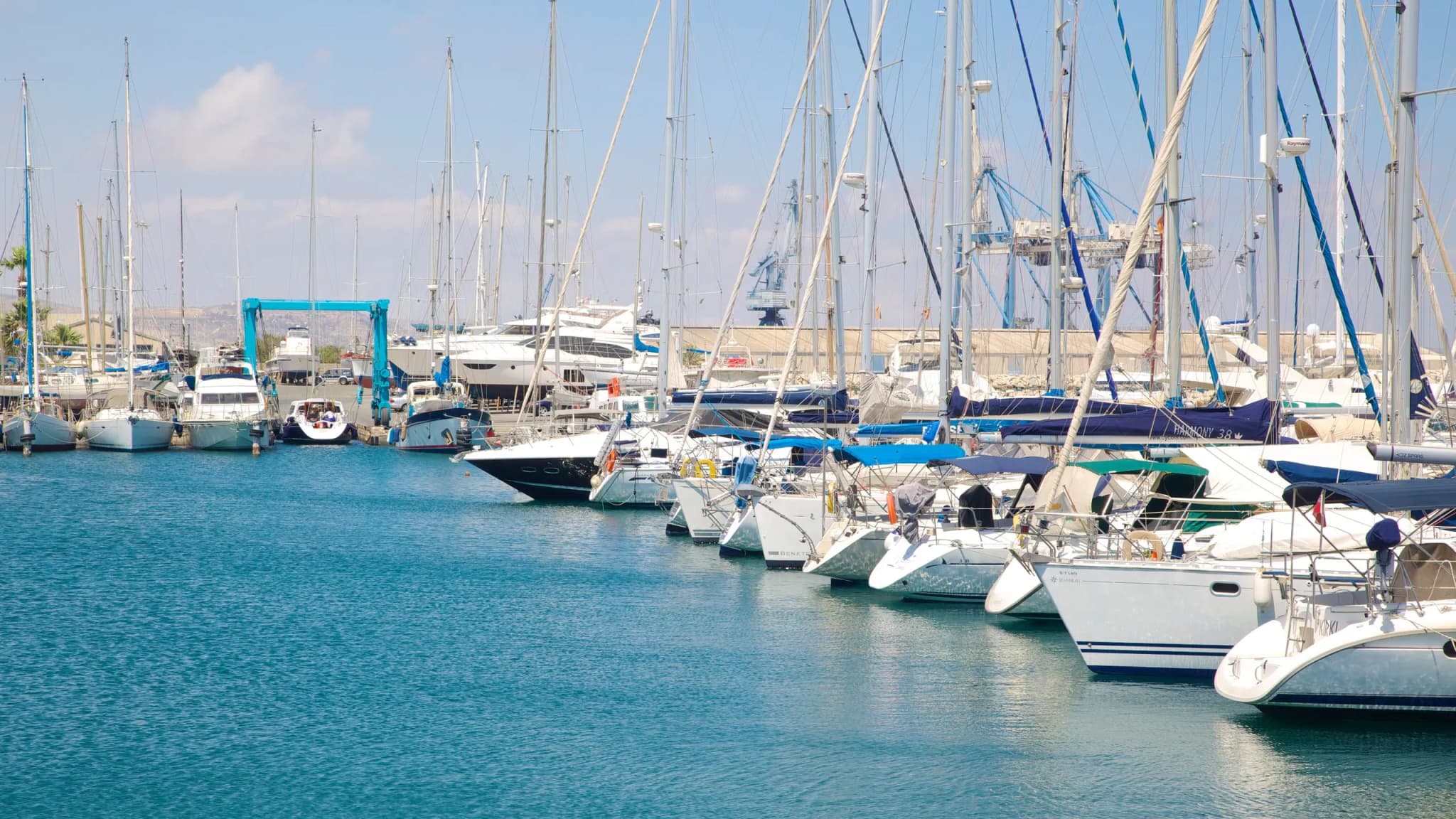
The cost of living in Larnaca is approximately 20-25% lower than in Limassol, particularly regarding real estate and rental prices. As of 2025, a one-bedroom apartment in the city center averages 950 EUR, while peripheral areas offer lower rates. Employment is heavily concentrated in the aviation, logistics, shipping, and tourism sectors. The ongoing Larnaca Port and Marina redevelopment project is a significant driver of economic activity and infrastructure investment in the region.
Education and Healthcare
Larnaca hosts several private English-medium schools and the American University of Cyprus. Healthcare services are provided through the General Healthcare System (GHS/GESY) at the Larnaca General Hospital and various private clinics. Access to medical services depends on individual residency status and social insurance contributions.