
Student Life and Support in Cyprus
Student life in Cyprus is characterized by a Mediterranean climate, a growing international academic community, and a dual system of public and private higher education institutions. For the 2025/2026 academic year, the Republic of Cyprus continues to host a significant number of foreign nationals, primarily in urban centers like Nicosia, Limassol, and Larnaca. Navigating daily life requires an understanding of housing markets, healthcare systems, and legal employment frameworks.
Accommodation Options
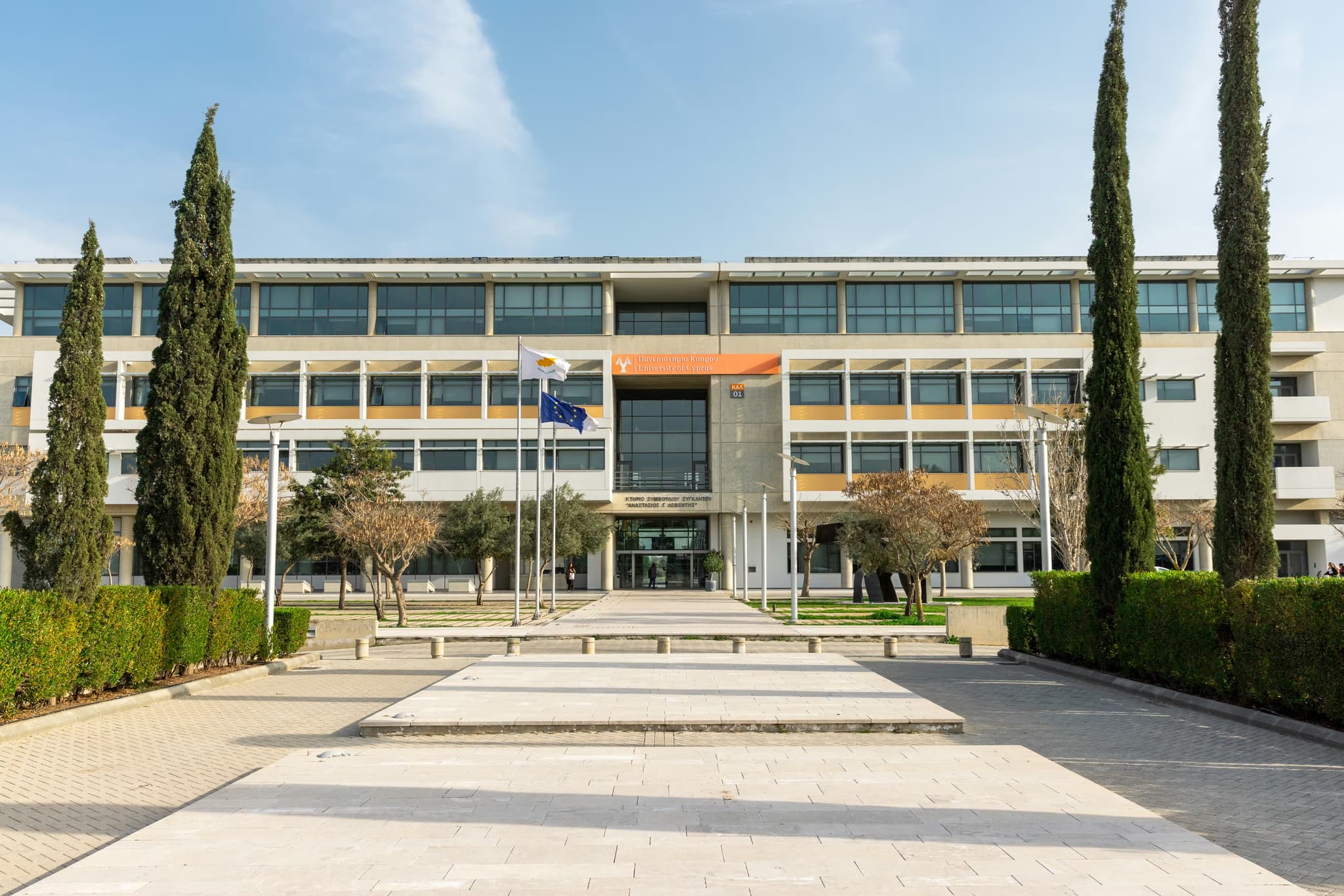
Finding suitable housing is a primary concern for international students. Most universities provide on-campus dormitories, though demand often exceeds supply. Private rentals are the most common alternative.
University Dormitories
On-campus housing is generally the most cost-effective and convenient option. Rooms are typically furnished and include utilities in the monthly rent. For the 2025/2026 cycle, monthly costs for a single room range from 300 EUR ($324 USD, Jan 2026) to 600 EUR ($648 USD, Jan 2026), depending on the institution and facilities.
Private Rentals
Students often choose private apartments or shared flats. Prices vary significantly by city. Limassol is currently the most expensive city for rentals, followed by Nicosia and Paphos.
- Studio Apartment: 550 EUR - 900 EUR ($594 - $972 USD, Jan 2026) per month.
- Shared 2-Bedroom Flat: 400 EUR - 600 EUR ($432 - $648 USD, Jan 2026) per person/month.
- Utilities (Electricity, Water, Internet): Approximately 100 EUR - 150 EUR ($108 - $162 USD, Jan 2026) per month, often shared among roommates.
It is standard practice to pay one month's rent as a security deposit and one month's rent in advance upon signing a contract.

Cost of Living and Transportation
Living expenses in Cyprus are moderate compared to Northern Europe but have seen increases in recent years. Students should budget for essential goods and services to ensure financial stability during their stay.
Daily Expenses
- Groceries: A monthly budget of 250 EUR - 350 EUR ($270 - $378 USD, Jan 2026) is typically sufficient for one person.
- Dining Out: A meal at an inexpensive restaurant costs roughly 15 EUR ($16.20 USD, Jan 2026).
Public Transportation
Cyprus does not have a rail network; public transport consists entirely of buses. The Cyprus Public Transport system serves the main cities. Students are eligible for a 50% discount on bus fares with a valid student ID or the "Motion" smart card. A monthly student pass costs approximately 22 EUR ($23.76 USD, Jan 2026).
Healthcare and Student Support
Access to healthcare depends on the student’s nationality and residency status. The General Healthcare System (GeSY) is the primary provider, but private insurance is often mandatory for visa purposes.
Medical Insurance
Non-EU students are required to have private medical insurance as a condition for their residence permit. These policies generally cost between 120 EUR and 200 EUR ($130 - $216 USD, Jan 2026) per year. EU students should bring their European Health Insurance Card (EHIC) for temporary access to state services.
Academic Support Services
Most accredited universities in Cyprus offer the following support structures:
- International Student Offices: Assistance with visa renewals, local registration, and orientation.
- Counseling Services: Mental health support and psychological counseling are increasingly available at major institutions.
- Career Centers: Guidance on internships and local labor market regulations.
Employment Rights for Students
The right to work while studying is strictly regulated by the Department of Labour. Rules differ based on the student's origin.
EU Nationals
EU students have the right to work in Cyprus without any restrictions on hours or sectors, provided they register with the Civil Registry and Migration Department.
Non-EU Nationals
Third-country nationals are subject to specific conditions:
- Waiting Period: Students must typically have resided in Cyprus for six months before being eligible to work.
- Hours: Limited to 20 hours per week during term time and 38 hours per week during holiday periods.
- Permitted Sectors: Work is often restricted to specific industries such as hospitality, food delivery, and cleaning services.
- Contract: A formal employment contract must be stamped by the District Labour Office.
Failure to adhere to these regulations can result in the revocation of a student visa.