
Introduction: A Chilling Televised Spectacle
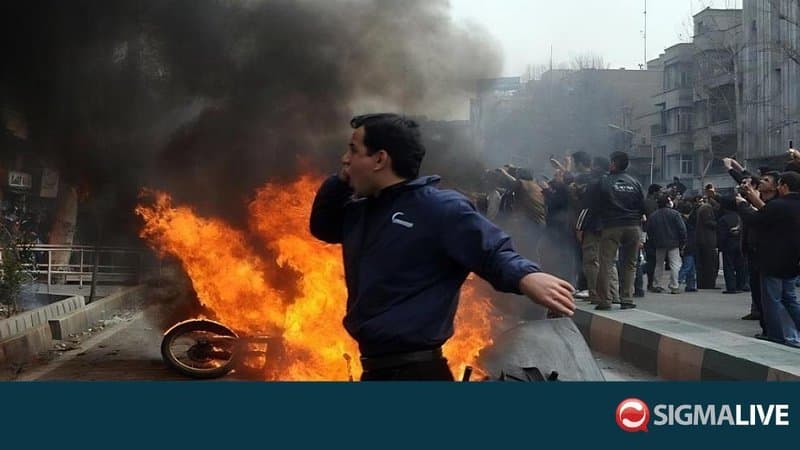
In a disturbing move, Iran's judiciary chief, Gholamhossein Mohseni Ejei, has personally conducted interrogations of arrested protesters on state television. Broadcast live, these sessions feature confessions that human rights defenders argue are coerced, aimed at spreading fear. For foreigners, this highlights severe violations of due process and underscores the risks in authoritarian regimes, making it a crucial topic for global awareness, especially for expats in regions like Cyprus who monitor international affairs.
Impact on Foreigners and Global Human Rights Concerns
This situation has direct implications for foreigners, particularly those traveling to or residing in Iran, as it raises questions about safety, justice, and human rights. For foreigners in Cyprus and elsewhere, it serves as a stark reminder of the importance of supporting international human rights norms and understanding political instability in volatile regions. Key concerns include:
- Safety for Travelers and Expats: Arbitrary arrests and forced confessions could affect foreigners caught in protests or political turmoil.
- International Sanctions and Relations: With Ejei facing sanctions from the US and EU, this impacts global diplomacy and economic ties, influencing foreign policy decisions that affect expats worldwide.
- Human Rights Advocacy: Foreigners can engage with NGOs and raise awareness to pressure for change, linking to Cyprus's role as an international hub.
Key Details of the Televised Interrogations and Background
Scenes from the Broadcast
The state TV has aired numerous videos where Ejei interrogates individuals, including a woman accused of throwing stones and teenagers admitting to being paid to protest. In one instance, a woman confesses to messaging Israeli Prime Minister Benjamin Netanyahu, but no evidence is presented. These staged confessions, often with faces blurred, violate principles of innocence until proven guilty, as noted by organizations like Iran Human Rights.
Statistics and Background Information
According to Iran Human Rights, at least 3,428 people have been killed and about 10,000 arrested in recent days. Ejei, a conservative cleric with a history in intelligence and alleged involvement in past mass executions, has promised "quick" public trials for protesters. His actions are condemned by groups like United Against Nuclear Iran and Reporters Without Borders, who describe him as ruthless. This context is vital for foreigners to grasp the scale of repression.
Conclusion: A Call for International Vigilance and Action
This televised crackdown in Iran is more than a domestic issue; it's a global human rights crisis that foreigners should monitor closely. By staying informed through sources like foreignerscyprus.com, individuals can advocate for justice and support international efforts to uphold human rights. As the White House notes, such events can lead to suspended executions, but continued pressure is needed to protect vulnerable populations worldwide.